
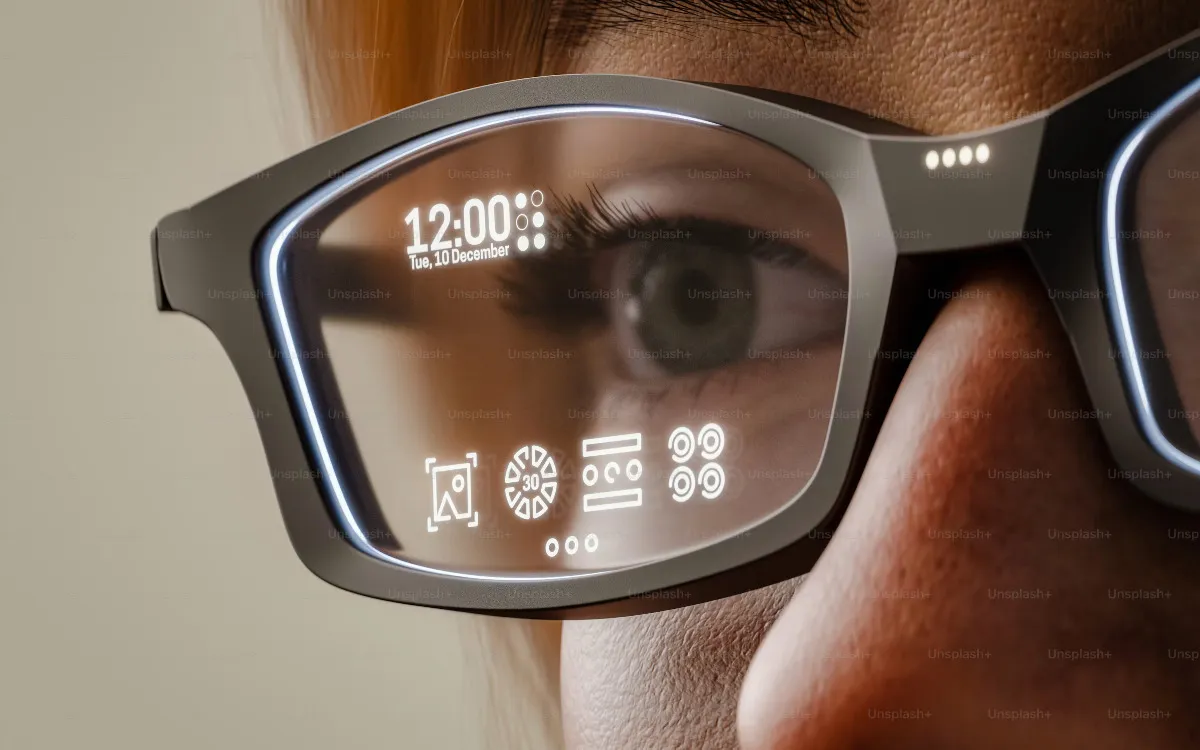
At Meta Connect 2026, Meta introduced Ray-Ban Meta Audio, a camera-free pair of AI glasses, alongside Muse Charm, a pocket device built around its Muse AI agent. The products point in different directions: the glasses keep audio and voice assistance while removing the camera; the Charm brings Muse to a separate device with a display. This is not a simple pivot to screenless AI. 1
The names matter. Ray-Ban Meta Audio is the model without a camera. Ray-Ban Meta Gen 3, announced at the same event, has a 12-megapixel camera and records 3K video. Meta’s official name for the pocket device is Muse Charm—not “Muse AI Keychain,” although keychain-sized is a reasonable description of the form factor. 1

Meta’s Connect announcement is two different bets
Meta announced Ray-Ban Meta Audio at the September 23 Connect keynote. Its September 24 recap described Muse Charm as a pocket-sized device for talking to and interacting with Muse, using the agent’s real-time voice model. The company said it would share more about the Charm later in the year. 1
For people who want smart glasses without an eyewear camera, Audio is the immediate product. Muse Charm is a more speculative hardware bet: a dedicated way to reach an AI agent without opening a phone app. They belong to the same broader wearables push, but they are not interchangeable—and the Charm’s full specifications have not appeared in Meta’s public summary.
[[IMAGE INSERT — Place the official product comparison here; replace this note with the CMS image block. See the production brief in “IMAGE INSERTS.”]]
Ray-Ban Meta Audio removes a camera, not every privacy question
What buyers get
Ray-Ban Meta Audio weighs 43 grams and is designed around open-ear audio, calls and hands-free access to an AI assistant. Meta says the glasses can run for up to 12 hours on a charge, with up to 48 additional hours from the included charging case. They come in Clubmaster and Burbank styles, with 23 color and lens combinations and support for a range of optical prescriptions. These are manufacturer specifications, not independently tested results. 1
The glasses start at $349 in the United States. Preorders opened with Meta’s September 23 announcement, and the company says shipping is scheduled to begin October 13, 2026. Ray-Ban’s FAQ confirms that the Audio model does not have a camera, so it cannot take glasses-based photos or videos. 1
That makes the model a clear alternative to camera-equipped smart glasses for buyers who want audio and voice access without visual capture. It also means the glasses cannot provide Muse with a camera view of what the wearer is looking at. Meta has said Muse is coming to its AI glasses in the coming months, but has not provided a detailed, model-by-model rollout schedule in its Connect recap. 3
What camera-free changes
Removing the camera removes a specific source of concern: the possibility of capturing images or video of people nearby from the wearer’s point of view. That distinction has become more significant as camera-equipped Meta glasses have faced reports of people being filmed without their knowledge or consent. Meta has also announced software measures intended to disable recording when the capture LED is blocked or tampered with. 4
But camera-free does not mean microphone-free or data-free. Meta markets Audio for calls and voice interaction with an AI assistant, yet its Connect product announcement does not set out a model-specific account of microphone activation, audio retention, or review. Those details matter to people deciding whether a camera-free wearable is acceptable in a workplace, public venue, or private setting. The missing camera narrows the privacy question; it does not answer every question about audio and AI processing.
Meta’s announcement emphasizes sound, fit and all-day use. It describes audio as one of the glasses’ most popular features and highlights the light design, but it does not say that the camera was removed as a response to privacy criticism. Treating that as Meta’s stated motivation would go beyond the announcement. The privacy benefit is real as a product distinction; the company’s reason for making that choice has not been confirmed in its public announcement. 1

Muse Charm is pocket AI, not a screenless pin
Muse Charm is the more open-ended announcement. Meta confirms that it is a pocket device for interacting with Muse, but its official Connect recap does not provide a full specification sheet. The device shown at the event has a display, so it should not be described as screenless. Bloomberg reported a roughly two-inch screen, 5G connectivity and cameras on the front and back, intended primarily to give Muse visual information. TechRadar’s early visual assessment of the on-stage render, however, said a camera was not apparent. Until Meta publishes final specifications, the Charm’s camera configuration should be described as reported—not officially confirmed. 3
That distinction matters to the privacy story. Ray-Ban Meta Audio is confirmed camera-free; it does not follow that every new Meta AI wearable is. If Bloomberg’s report about the Charm’s cameras is accurate, Meta is offering users different device and sensor trade-offs rather than abandoning visual sensing across its wearable line. The company’s own public summary does not yet explain how Charm would handle visual or audio data. 2
There is a similar gap on availability. Meta says more details about the Charm will follow later this year. Reporting from the event points to a December 2026 holiday release, but Meta has not announced a price or supplied a complete public set of production specifications. Buyers do not yet have enough official information to compare it with a phone, watch or pair of glasses on battery life, connectivity costs or privacy controls. 3
Can a dedicated AI gadget avoid the Rabbit and Humane trap?
The comparisons with Rabbit R1 and Humane AI Pin are useful as questions, not as verdicts. A small, dedicated AI device must earn space alongside hardware people already carry. Reuters’ account of the Rabbit R1 is a caution: the product attracted early attention, but its real-world experience was criticized for overpromising and unreliability. 5
Meta has a different starting point. Muse already exists as a service across mobile and web, and Meta says it plans to bring the agent to its AI glasses. A dedicated device could make access quicker, but a new form factor alone is not a reason to buy one. The Charm will need to make everyday tasks reliably easier, while offering a clear reason to carry and charge another device. 6
Meta’s wider bet is access to Muse across devices
The Connect announcements are best read as an effort to put one agent across several interfaces, not as a wholesale move away from cameras or screens. The camera-free Ray-Ban Meta Audio offers audio-first access; Ray-Ban Meta Gen 3 retains a camera; Muse Charm gives the agent a separate pocket device with a display. Meta also says Muse will arrive on its AI glasses in the coming months. 1
That makes trust part of the product, not an afterthought. Meta says Muse runs in a dedicated secure virtual machine, asks for approval before sensitive actions such as sending email or making purchases, and lets people control connected services and opt out of training use. Those are Meta’s statements about Muse’s service architecture; they do not, by themselves, explain how the Charm’s reported sensors would work or how its data would be handled on each device. 6
What buyers should watch next
For Ray-Ban Meta Audio, the practical details are comparatively clear: no camera, a $349 starting price and an October 13, 2026 shipping date announced by Meta. The product has not shipped yet, so battery-life and call-quality claims remain manufacturer claims rather than independent test results. 1
For Muse Charm, the important next disclosures are its final sensor list, price, battery life, connectivity requirements and device-specific privacy controls. Meta also needs to clarify which Muse features will work on which glasses. Until then, readers should treat the December timing and the reported Charm hardware details as provisional. 3
The bottom line
Ray-Ban Meta Audio gives Meta’s smart-glasses lineup a confirmed camera-free option, but it does not settle questions about voice processing. Muse Charm is a separate, display-equipped device with limited official specifications and conflicting early assessments of its cameras. Meta’s clearest shift is toward making Muse available across more devices—not toward screenless or camera-free AI everywhere. 1




Discussion (…)
Loading discussion…